From Heritage to Innovation in Asian Condiments
Asian cuisine continues to captivate consumers worldwide, inspiring demand for authentic tastes from iconic condiments such as soy sauce, gochujang, and fish sauce.
Developing these flavors becomes challenging because it requires suppressing off-notes, managing ingredient costs, and preserving authenticity in shelf-stable products.
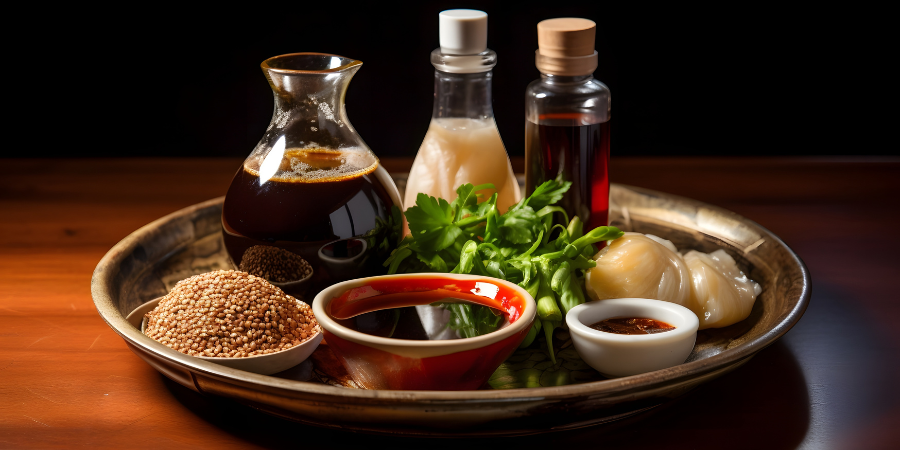
Our Flavor Solutions
- Vivid Flavors® Recreates authentic top notes and aroma.
- INTENSATES® Modulation & Masking Refines taste balance and reduces off-notes.
- INTENSATES® Modulation KOKU Builds rich mouthfeel and lingering umami depth.
As a global flavor house rooted in Asia, Takasago combines advanced R&D, sensory expertise, and deep cultural understanding.
Our CIMR and Marketing teams support you in developing products that deliver true-to-origin authenticity and resonate with today’s consumers.
Global Demand for Authentic Asian Flavors
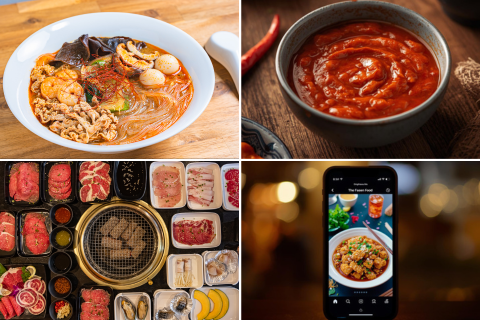
Across the U.S. and European markets, Asian sauces and condiments are experiencing strong growth and innovation. Rising interest in global flavors, expansion of Asian cuisine in restaurants, and social media influence fuel this momentum. According to the Takasago Global Pulse Study, 76% of consumers in these regions are interested in exploring tastes from other cultures, with nearly half drawn specifically to Asian cuisines. Online conversations are accelerating this trend: on platforms such as TikTok and Instagram, Korean condiments like gochujang, ssamjang, and doenjang generate millions of views and inspire new launches. Takasago’s #HashTAK social listening tool also reveals a 74% increase in online discussions about Asian sauces and condiments between 2023 and 2024.
According to trend forecaster WGSN, soy sauce continues to lead the Asian sauces and condiments category across U.S. retail and foodservice, posting steady 10% growth over the past three years. The success of Sriracha has opened the door for other spicy condiments, such as Indonesia’s sambal oelek and chili crisp, while regional specialties like Japanese ponzu are gaining attention. At the same time, products that were once known primarily in specialty stores - such as Thai sweet chili sauce - are becoming more widely available as consumers increasingly seek authenticity and wider variety.
Europe is showing similar momentum, with the UK, France, Germany, and Spain expanding supermarket ranges of Asian flavors. Here, brands often use familiar formats, such as barbecue sauces, as entry points into Asian-inspired profiles, making them accessible to mainstream shoppers. At the same time, consumers are increasingly interested in clean-label, vegan, and gluten-free options, driving innovation in healthier formulations and sustainable packaging.
Overall, the Asian condiments category continues its upward trajectory, driven by adventurous palates, multicultural influences, and a growing appreciation for the complexity and versatility of Asian flavors.
The Stories Behind Iconic Asian Condiments

The foundation of Asian condiments lies in centuries of culinary practice and regional adaptation. Soybeans, which originated and were cultivated in northeast China as early as 2550 BCE, became central to countless condiments once fermentation revealed their nutritional and flavor potential. From the earliest fermented black soybeans, or douchi, developed more than 2,000 years ago, a family of soybean pastes (jiang) and sauces spread across Asia. Korea’s bold doenjang, often combined in ssamjang with garlic for grilled meats, Japan’s mild miso enriched with koji mold and grains, and China’s sweet-savory hoisin sauce are all rooted in this legacy. Born as a byproduct of jiang, soy sauce diversified into countless varieties - including China’s rich lao chou, Indonesia’s sweet kecap manis, and Japan’s soy sauce and gluten-free tamari. Over time, it also inspired widely popular derivative sauces abroad, such as Teriyaki sauce.

Seafood-based condiments also illustrate Asia’s ingenuity in preservation and flavor development. Fish sauce, documented in Han Dynasty texts as “yulu,” spread across coastal Asia, evolving into Vietnam’s nước mắm and Thailand’s nam pla, essential to dishes from pho to curries. Oyster sauce, first developed in 19th-century China, adds sweet-savory depth to stir-fries and marinades, while XO sauce, created in 1980s Hong Kong, combines dried seafood, hams, and spices to deliver an indulgent, spicy richness.
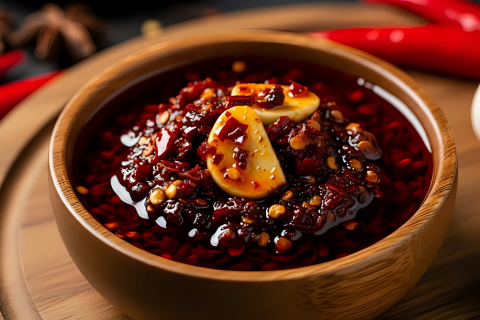
Chili, meanwhile, is another pillar of Asia’s most iconic condiments. In China, chili crisp blends fried garlic, fermented soybeans, and chili oil into a crunchy, umami-rich topping. Japan’s yuzu kosho combines fresh chili with Yuzu peel and salt for a sharp, citrusy heat. Korea’s gochujang, a fermented chili paste, balances sweet heat and umami, while ssamjang provides a savory complement to Korean BBQ. Across Southeast Asia, Thai sweet chili, Indonesian sambal ulek, and Thailand’s globally renowned Sriracha highlight the region’s mastery of heat and flavor balance.
These condiments continue to define the diversity and depth of Asian cuisines.
Flavor Technology Meets Culinary Tradition
From timeless favorites like Teriyaki sauce, sambal, and gochujang to trending combinations such as salted egg with Sriracha. Asian condiments continue to inspire flavor innovation across categories.
Yet developing flavors based on these complex profiles can be challenging - from controlling off-notes and ingredient costs to maintaining authenticity in shelf-stable products.
Takasago Provides Solutions
Through our Vivid Flavors®/VIVID® Flavors, INTENSATES®, and KOKU technologies, we bring depth, balance, and freshly cooked realism to authentic Asian tastes.
Vivid Flavors®/VIVID® Flavors
Recreating the distinctive top notes and authentic character of traditional condiments in various applications.

Soy Sauce Flavor
Enhances instant ramen soup bases by strengthening the soy sauce note and adding a gentle, freshly cooked aroma that evokes authentic preparation.
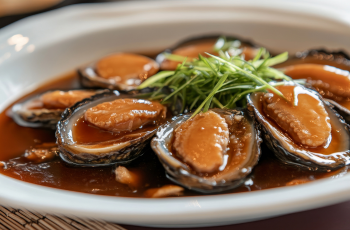
Oyster–Abalone Flavors
Capture the briny richness and indulgent seafood notes characteristic of Cantonese cuisine. Ideal for applications such as oyster–abalone–flavored biscuits or savory snacks seeking an elevated, premium impression.
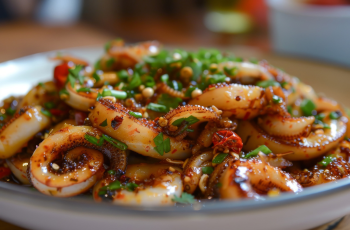
XO Seafood Flavors
Deliver layered richness and vivid top notes inspired by XO sauce, bringing luxurious seafood depth to applications like instant noodles, seasoning powders, and sauce bases.
INTENSATES® Technology
It adds body and balance, creating flavorful depth and satisfying richness in condiments, soup stocks, and bases.

Modulation & Masking Technology
Refining taste harmony and minimizing off-notes that occur during manufacturing enhances the profiles of Asian condiments such as Teriyaki, Sriracha, and gochujang, resulting in clear, rounded umami.

KOKU Technology
As part of INTENSATES® Modulation, our KOKU technology builds depth and mouthfeel, creating a more complete and satisfying flavor experience across savory applications.
With advanced analytical capabilities and deep regional expertise, Takasago helps food and beverage (FMCG) brands craft both iconic favorites and on-trend innovations that deliver authentic taste, satisfying mouthfeel, and reliable taste performance across global markets.
Connecting Asian Heritage with Global Markets
Asian condiments are shaping innovation across categories, from sauces and seasonings to snacks and ready meals. Our integrated global R&D network across Asia, combined with marketing and consumer insights teams, enables us to bridge culinary heritage with market opportunities worldwide. By uniting cultural expertise, advanced technologies, and consumer insight, we deliver flavor solutions that are authentic, versatile, and ready for commercial success.
Partner with Takasago for Authentic Asian Flavor Solutions
Partner with Takasago, your global flavor house, for authentic Asian flavor solutions and savory innovation built on cultural insight and advanced technology.